
The Evolution of Patient-Centered Healthcare — What It Means for You
Table of Contents
- What Is Patient-Centered Care?
- A Look Back at Doctor-Centered Care
- What's Changed in Modern, Patient-Centered Care?
- The Top Benefits for Employees — Empowerment and Control
- The Bottom-Line Benefit for Employers — Healthier People and Lower Costs
- The Difference Card — Built for Modern, Patient-Centered Healthcare
- Frequently Asked Questions About Patient-Centered Healthcare
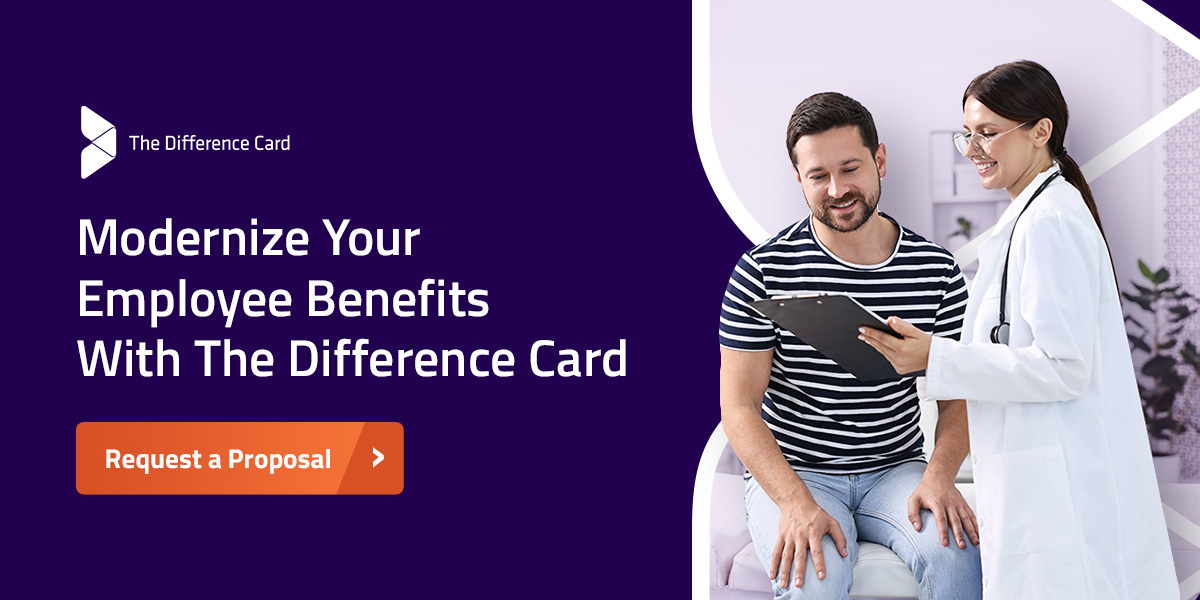
- Modernize Your Employee Benefits With The Difference Card
Working through a confusing system of insurance forms, limited appointment times, and one-way conversations with providers leaves many people feeling like passive passengers in their health decisions. This traditional model is impersonal, inflexible, and often frustrating for everyone involved.
However, there's been a shift in the last decade. Today, you have a voice in your care, access to your health data, and control over treatment decisions. This necessary evolution to patient-centered healthcare delivers better health outcomes for employees and greater, more predictable cost control for employers.
When people can actively participate in their healthcare decisions, they make smarter choices that benefit their well-being and their wallets. Employers who understand this evolution can use it to achieve guaranteed savings and stronger workforce engagement.
What Is Patient-Centered Care?
Patient-centered care is a model that focuses on a person's symptoms, medical history, values, and the emotional, social, and financial factors that affect their life. This approach recognizes that effective treatment requires understanding the whole person, not just their condition. The goal is care that respects individual preferences, coordinates seamlessly across providers, and empowers people to make informed decisions about their treatment.
The American College of Healthcare Executives recognizes eight core dimensions of patient-centered care.
- Respect for patients' values, preferences, and expressed needs: Considering a person's lifestyle, culture, and values when co-designing a treatment plan.
- Coordination and integration of care: Ensuring patients have a coordinated path through the healthcare system to ease vulnerability.
- Information, communication, and education: Providing transparent information so people never feel their providers are withholding details about their condition.
- Physical comfort: Ensuring the care environment, from privacy to pain management, prioritizes the patient's comfort.
- Emotional support and alleviation of fear and anxiety: Actively addressing the fears associated with illness and the financial anxieties related to the cost of care.
- Involvement of family and friends: Recognizing that people heal better when their designated loved ones are part of clinician-led discussions.
- Transition and continuity: Ensuring patients understand their medications and ongoing care requirements upon discharge or when transitioning to a new provider.
- Access to care: Making sure people can easily schedule appointments, access specialists, and receive care when needed.
These dimensions create a framework in which healthcare is a service that actively benefits people rather than something they submissively receive. For employers offering a health plan, these principles translate directly into plan designs that give employees meaningful choice and control.
A Look Back at Doctor-Centered Care
The traditional healthcare model followed a strict top-down approach where providers made all decisions on their patients' behalf. In this doctor-centered system, medical professionals acted as the sole authority, often providing minimal explanation of diagnoses or treatment options. This philosophy created a power imbalance that left many confused about their diagnoses, unsure about treatment plans, and unable to advocate for their needs.
- Providers expected patients to treat them as the ultimate source of truth, leaving little room for questions or alternative perspectives.
- Rushed appointment times gave people limited opportunities to express their concerns or fully understand their conditions.
- Physicians made medical decisions behind closed doors, presenting treatment plans as nonnegotiable directives.
- People's personal preferences, values, or concerns rarely factored into care plans.
This clinical rigidity extended beyond the exam room into the workplace. Traditional employee health insurance plans functioned as one-size-fits-all packages, forcing employees into plans that did not account for their needs.
Simultaneously, employees had little choice in their coverage options. Coverage decisions took place at the corporate level, with little input from the people using the benefits. Employees had limited choices about deductibles, copays, or provider networks. If a company's chosen plan didn't include your preferred doctor or covered only a fraction of a necessary medication, you had few alternatives beyond paying out of pocket or going without.
The disconnect between what people needed and what the system offered created frustration on all sides. Employees felt stuck with coverage that didn't serve them well, while employers struggled with rising costs and limited tools to manage them. Neither group had the flexibility to adapt to changing circumstances or specific requirements.
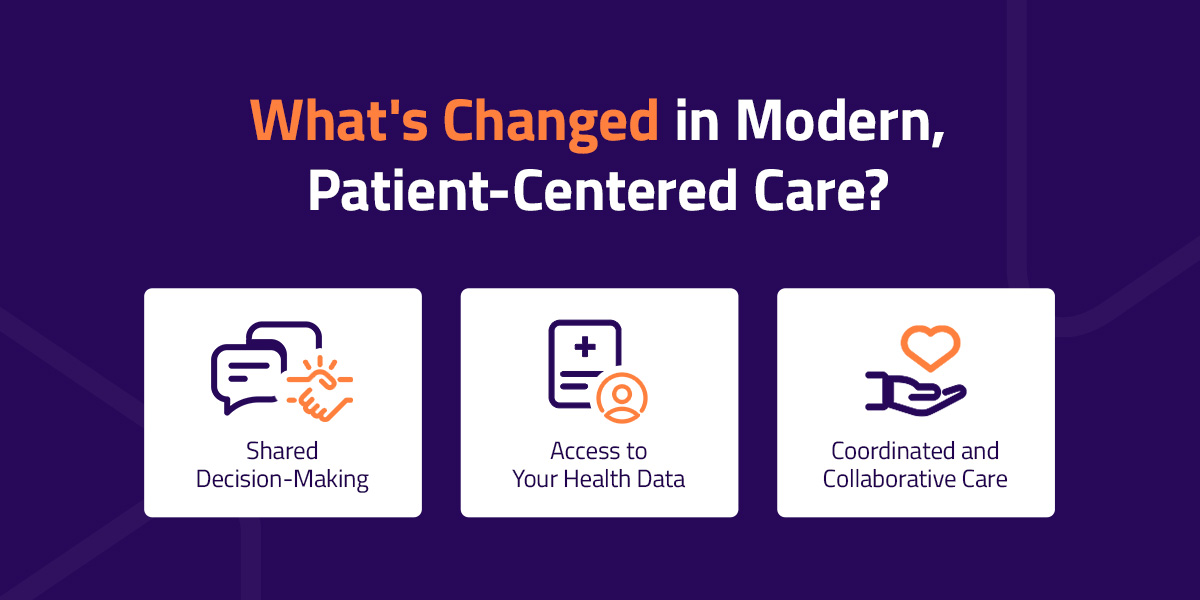
What's Changed in Modern, Patient-Centered Care?
The evolution of healthcare toward patient-centered models has accelerated in recent years, driven by national policy changes and growing recognition that the old system wasn't sustainable.
The U.S. Department of Health and Human Services is actively driving reform to restore patient-centered care, recognizing that the old model no longer serves the needs of modern patients or healthcare systems. Similarly, the Centers for Medicare and Medicaid Services continue to seek public input on improving technology to empower Medicare beneficiaries, ensuring they can easily access their health data and communicate seamlessly with providers.
This transformation rests on three fundamental pillars that have changed how people experience healthcare. Each pillar addresses a specific weakness in the traditional model and creates new opportunities for better outcomes.
Shared Decision-Making
Shared decision-making represents one of the most significant advances in healthcare today. This model focuses on co-designing care instead of dictating treatment from above, resulting in treatment plans that reflect personal values, lifestyle needs, and health priorities.
The Institute for Healthcare Improvement heavily promotes this approach to ensure patients' voices are central to diagnosis and treatment decisions. In practice, shared decision-making means providers present multiple treatment options, explain the benefits and risks of each, and genuinely incorporate patient preferences into the final care plan.
For example, people diagnosed with chronic conditions can now discuss care strategies with their providers, weighing factors such as potential side effects, lifestyle impacts, and goals. A person managing diabetes might choose between different medication regimens based on their daily schedule and comfort with self-monitoring. Alternatively, a care team could present their patient with detailed information about surgical and nonsurgical options, with time to ask questions and consider what aligns with their values.
This collaborative approach leads to better adherence to treatment plans, improved health outcomes, and higher satisfaction for patients and providers.
Access to Your Health Data
Digital tools are fueling patient empowerment at an unprecedented scale. The Office of the National Coordinator for Health Information Technology has developed initiatives and resources to promote patient access to health information, enable secure communication with healthcare providers, and put control directly in patients' hands.
This access tangibly transforms the healthcare experience. As technology continues to evolve, more patients will enjoy digital-first engagement and data-driven decisions.
- Instant information access: Individuals can instantly view test results, treatment notes, and billing through secure digital portals.
- Digital-first engagement: Quick scheduling, seamless prescription refills, and accessible telehealth options make healthcare more convenient.
When people can see their health information in real time, they become engaged decision-makers rather than bystanders waiting for updates. They can track trends in their health metrics, prepare informed questions before appointments, and share comprehensive records when consulting new providers. This access saves time, reduces expenses, and strengthens the quality of care patients receive.
Coordinated and Collaborative Care
Modern healthcare has moved away from siloed treatments where specialists rarely communicate with primary care providers. Policy changes now incentivize healthcare systems to break down the walls between departments and providers. In March 2024, the Biden-Harris administration announced a new initiative to increase investments in person-centered primary care, recognizing that coordinated, team-based care improves health outcomes.
This approach means your primary care physician, specialists, pharmacists, and care coordinators work together with shared access to your health information. The result is fewer duplicated tests, better medication management, and a seamless experience as you move through the healthcare system.
The Top Benefits for Employees — Empowerment and Control
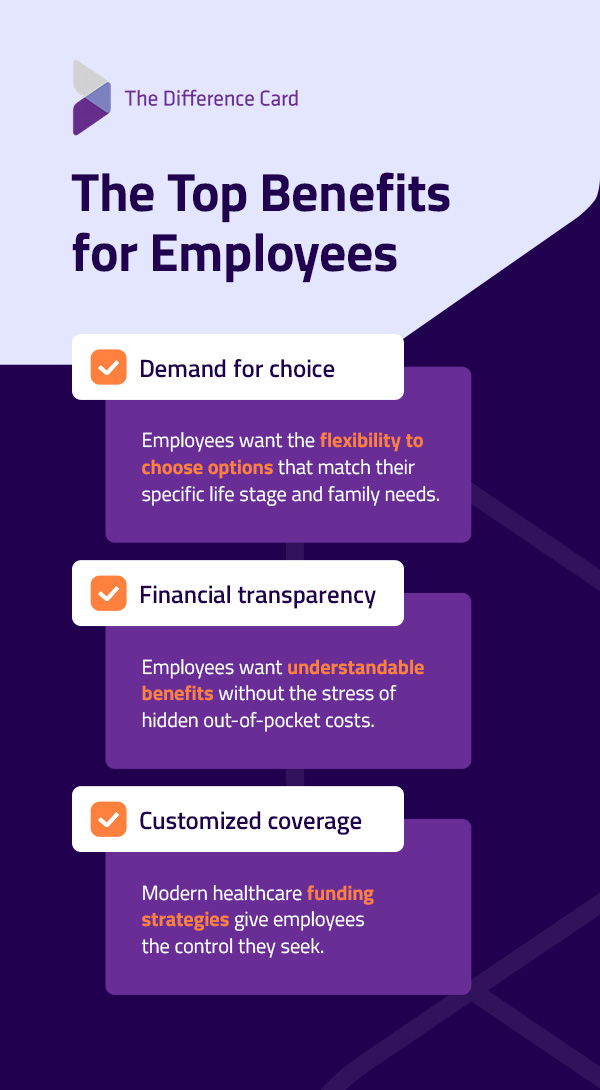
The benefits of patient‑centered care extend beyond the clinical setting and into the workplace. Employees have grown accustomed to personalization in healthcare expect their health coverage to offer the same options and clarity they experience in other parts of their lives.
- Demand for choice: Employees want the flexibility to choose plans, providers, and coverage levels that match their specific life stage and family needs.
- Financial transparency: Just as people want access to health data, employees want understandable benefits without the stress of hidden out-of-pocket costs.
- Customized coverage: Modern healthcare funding strategies, such as ICHRA or MERP product, give employees the control they seek.
When employers offer flexible, customized benefits that align with patient-centered principles, they directly support patient empowerment. Employees who feel in control of their healthcare choices experience less stress, better health outcomes, and higher job satisfaction. This empowerment creates a positive cycle where engaged employees make wiser healthcare decisions.
The Bottom-Line Benefit for Employers — Healthier People and Lower Costs
Aligning with the evolution of patient-centered healthcare directly helps the employer's bottom line. When employees have access to personalized, data-driven healthcare benefits, they make more cost-effective health decisions. They seek proactive, preventive care instead of going to the emergency room. People with chronic conditions manage them more effectively when they have the tools and information to do so.
Better plan designs deliver measurable results, including significant savings as the per-employee coverage costs reduce. Offering rich, flexible benefits that empower employees also boosts job satisfaction, keeping top talent happy and healthy.
Cutting benefits or shifting costs to employees won't achieve these savings. Instead, they result from strategic plan design that gives workers the flexibility to choose coverage that matches their needs while protecting employers from unpredictable cost spikes.
The Difference Card — Built for Modern, Patient-Centered Healthcare
The Difference Card is the ideal partner to bring this modern, flexible approach to your organization. Our Medical Expense Reimbursement Plan embodies the principles of patient-centered care by delivering personalization and financial protection to employees while guaranteeing cost containment for employers. This dual focus ensures that both sides of the employment relationship benefit from the shift to patient-centered care.
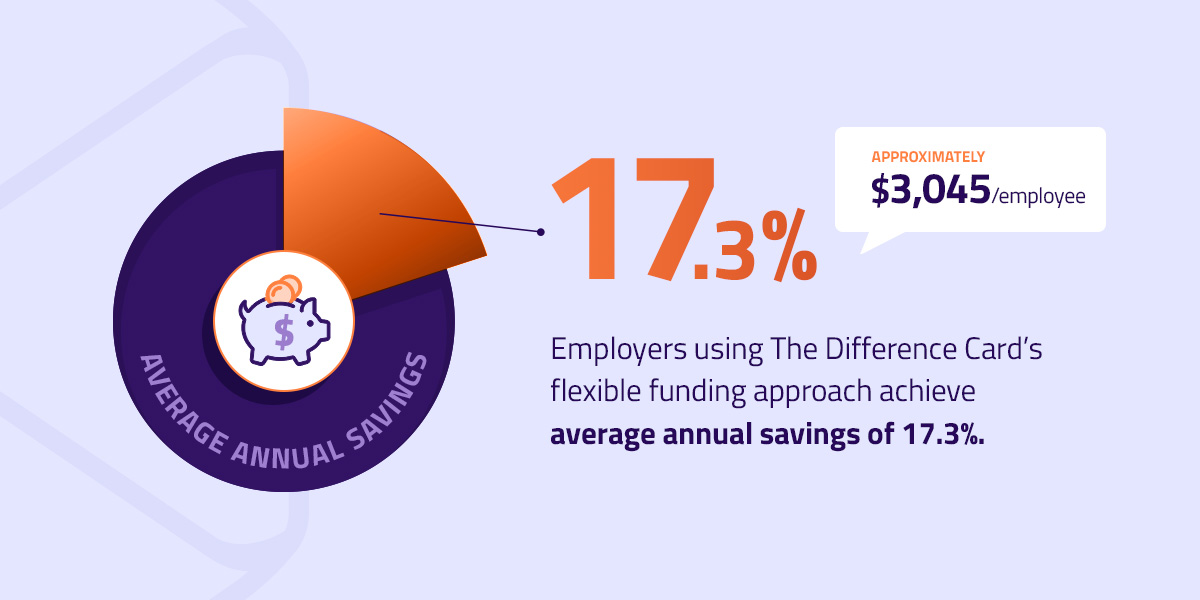
According to data from nonprofit organizations using The Difference Card's flexible funding approach, employers achieve an average annual savings of 17.3%, totaling approximately $3,045 per employee. Our MERP product provides the following benefits.
- Massive employer savings: Build multiple plan designs from a single underlying carrier plan, reducing fixed premium spend without creating administrative chaos for HR teams.
- Preserved employee benefits: With our MERP, companies retain rich coverage and mitigate out-of-pocket expenses for their team.
- Seamless administration: Employees benefit from an integrated platform for FSAs, commuter benefits, and high-touch customer support, matching the digital-first engagement they expect.
This approach aligns perfectly with patient-centered principles. Employees gain the choice and transparency they want, while employers achieve the cost predictability they need.
Frequently Asked Questions About Patient-Centered Healthcare
As employers evaluate how patient-centered healthcare affects their benefits strategy, these common questions help clarify the evolution, challenges, and financial impact of this approach.
When Did Patient-Centered Care Start?
While the concept emerged in the 1960s, patient-centered care gained formal recognition in 2001 when the Institute of Medicine identified it as one of six aims for improving healthcare quality. The approach accelerated significantly after the 2010 Affordable Care Act and the 2016 21st Century Cures Act, which mandated patient access to health data and incentivized coordinated care models.
What Are the Biggest Barriers to Patient-Centered Care?
The primary barriers include outdated health IT systems that don't share data, time constraints that limit meaningful provider-patient communication, and a lack of training for healthcare professionals in shared decision-making techniques. For employers, the barrier is often inflexible insurance products that don't allow customization. Modern solutions like MERP products address this by enabling multiple plan designs from a single carrier, giving employees choice without administrative complexity.
How Does Patient-Centered Care Reduce Healthcare Costs?
Patient-centered care reduces costs by improving adherence to treatment plans, increasing the use of preventive care, and reducing expensive emergency room visits. When people understand their conditions and feel involved in decisions, they're more likely to follow treatment protocols and catch issues early. For employers, flexible benefit designs aligned with patient-centered principles deliver an average of 17.3% in annual savings.
Modernize Your Employee Benefits With The Difference Card
Patient-centered healthcare has transformed how people approach medical care, and your employee benefits should reflect that evolution. Today's workforce expects personalized coverage options, transparent costs, and the flexibility to choose plans that fit their needs.
The Difference Card helps you meet employee expectations while delivering guaranteed cost savings. Since 2001, we've saved clients an average of 18% on annual health insurance costs, totaling nearly $1 billion in savings.
Our MERP gives employees the flexibility they want and provides employers with predictable costs and financial protection. You get dedicated account management, claims processing within two business days, and a U.S.-based customer service team that answers calls in under a minute.
Request a proposal today and discover how The Difference Card can reduce your healthcare costs while improving employee satisfaction.