
Which Benefits Do Millennial and Gen Z Employees Value Most?
Table of Contents
Hiring top talent drives innovation, improves productivity, and ultimately puts businesses ahead of the competition. By curating an appealing set of benefits, businesses are more likely to attract hardworking employees and experience these qualities within their operations. As the average cost of employee turnover equates to around 33.3% of an employee's base salary, better benefits also help optimize workforce retention.
But as millennials and Gen Z workers have a different outlook on employee benefits compared to other generations, employers must provide them with an attractive value proposition. As a broker, you can help them deliver these benefits to recruit and retain the best talent. We've compiled some relevant insights to help you show businesses how to tailor their benefits.
The 5 Core Benefits for Attracting and Retaining Younger Talent
While many employees link high salaries with job satisfaction, this is not the only motivating force behind going to work each day. A massive 79% of employees would rather stay in a job where they feel valued, even if it means earning less. Worker benefits help create a positive staff experience, and you can help them show their employees how much they value their health and wellness.
Here's an overview of the top benefits millennials and Gen Z expect in the workplace:
1. Flexible Work Hours
Workplace policies that provide employees with flexibility boost well-being, encourage them to stay healthy, and save employers money in the long term.
Organizations can save money on health benefits by introducing:
- Flexible working hours: Giving employees more freedom to choose when to start and end their day helps them fit personal activities into their schedules, like gym workouts, healthcare appointments, and school pickups.
- Hybrid schedules: There are distinct benefits to working remotely and on-site — allowing employees the best of both worlds helps them enjoy more flexibility.
- Caregiving leave: Many millennials and Gen Z workers have young children or aging parents. Offering them caregiving leave allows them to fulfill family responsibilities that may otherwise impact their work.
- Unlimited leave: While this may seem detrimental, companies that implement this structure have saved costs and time on monitoring staff's leave allocations.
- Summer Fridays: Allowing staff to leave work early when the weather is good is an appreciated perk. Spending time in the fresh air and sunshine can enhance employee well-being and productivity.
- Remote support: Employers can help staff make the most of flexible working policies by providing additional equipment for remote work.
2. Mental Health Support
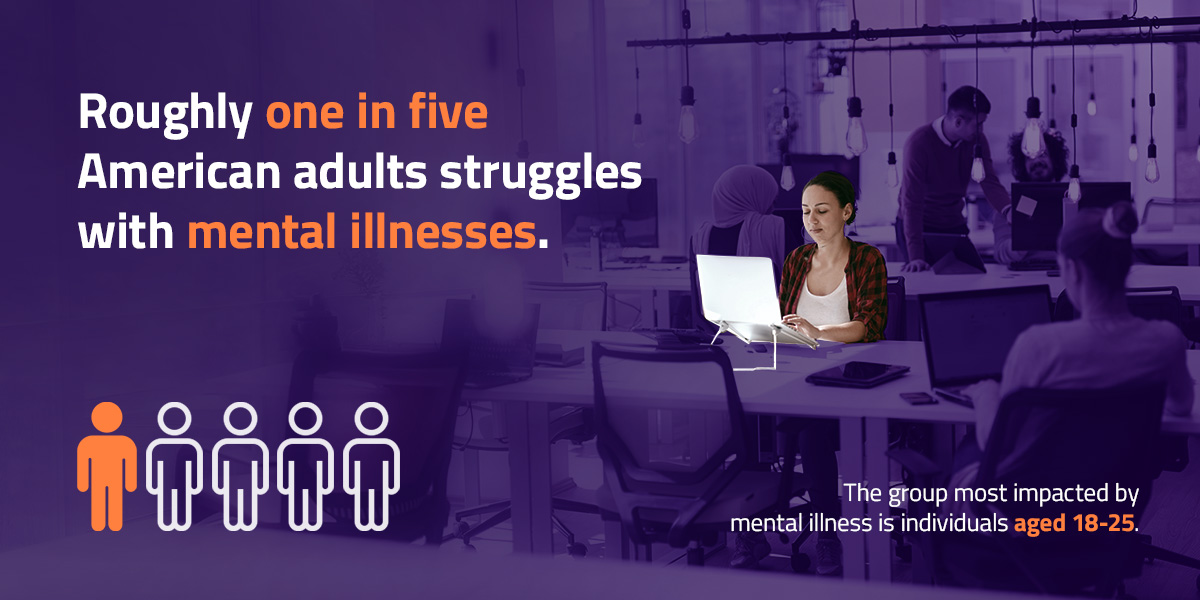
Roughly one in five American adults struggles with mental illnesses. The group most impacted by mental illness is individuals aged 18-25 — in other words, Gen Zers. These statistics reinforce the importance of providing effective mental health support in the workplace.
Employers looking to provide mental health benefits can:
- Facilitate awareness campaigns: Run campaigns or workshops to highlight different mental illnesses, foster conversations about mental health, and help reduce the stigma surrounding these health concerns.
- Promote mental health days: By encouraging employees to take a day to restore their mental health, businesses indicate that they value employee wellness.
- Encourage wellness activities: Activities such as meditation and yoga offer many mental health benefits, including enhanced stress management and sleep. Providing opportunities to engage in such activities can boost workplace wellness.
- Provide access to mental health support: By offering reduced deductibles or copay discounts, employers can help make therapy and counselling sessions more accessible for their workforce.
3. Health Insurance Options
Every generation has different health concerns. While Baby Boomers' top concern may be arthritis and joint replacements, migraines are a prevalent issue for adolescents and young adults.
Health insurance is always a nice employee perk, but organizations can offer more value by providing more relevant health services. Partnering with The Difference Card allows employers to select and fund benefits specific to millennials and Gen Z.
- Communicate the benefits: Once you have chosen which health benefits you want to provide, spread the word. Ensure employees have access to their Difference Card Summary of Benefits Chart to confirm their cover details.
- Explain the process: Minimize confusion by informing employees they must present their health insurance card before their appointment. After they receive their bill, your employees can submit their claim to The Difference Card team.
- Clarify repayment time frames: Instead of waiting weeks, your employees can receive reimbursements in two business days or less. When your staff understands the process, they may be more proactive in addressing health concerns.
4. Professional Development
Businesses that build professional development incentives into their employment packages help to encourage top talent to apply.
Employers can incentivize top talent through:
- Mentorship programs: Connect new employees with experienced professionals to help them learn skills unique to your organization and promote enhanced collaboration among team members.
- Cross-training opportunities: Allow employees to gain skills in other business areas to broaden their expertise and strengthen their resumes. Companies that provide new avenues for growth also demonstrate they care about their employees.
- Networking events: From golf days to roundtable discussions, networking events help facilitate learning in an informal setting and foster staff connections with influential professionals.
- Internal promotions: Provide internal advancement opportunities to appeal to ambitious Gen Z and millennial workers and retain top talent.
- Incentivized learning: Offer incentives for completing learning objectives to encourage employee growth journeys and demonstrate support for self-improvement.
5. Diversity and Inclusion in the Workplace
When employers hire a diverse workforce, they benefit from a wider range of perspectives that contribute to increased problem-solving and enhanced innovation.
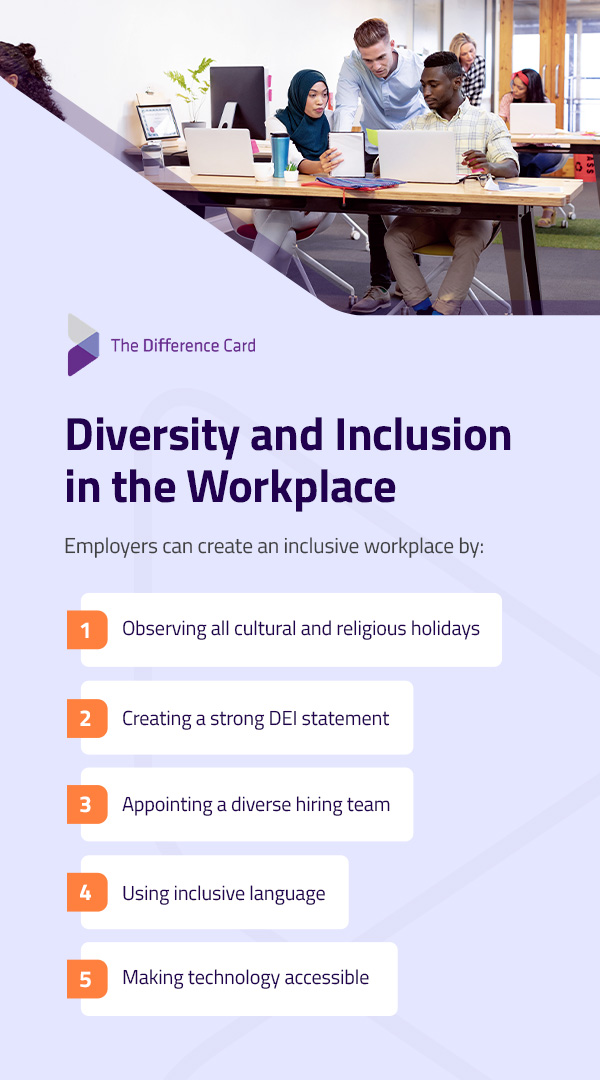
Employers can create an inclusive workplace by:
- Observing all cultural and religious holidays: Acknowledge significant days by organizing in-office celebrations or allowing employees to use paid time off.
- Creating a strong DEI statement: A diversity, equity, and inclusion (DEI) statement communicates a company's related views and goals to its stakeholders, employees, and consumers alike.
- Appointing a diverse hiring team: By including people from diverse backgrounds in recruitment practices, organizations help eliminate unconscious bias and show potential candidates that they encourage equal representation.
- Using inclusive language: Use inclusive language across all company communications to help eliminate prejudice and discrimination in the workplace.
- Making technology accessible: While many millennials and Gen Zers grew up with computers, mobile phones, and the internet, employers must provide adequate training to ensure everyone can use technology efficiently.
How to Successfully Implement These Benefits
If you want to optimize your partnership with The Difference Card, there are three strategies you can implement to boost employee engagement and satisfaction and elevate healthcare experiences.
Strategy 1: Simplify Your Benefits Communications
Employee benefits information is often inaccessible, filled with complex jargon and overwhelming amounts of detail. Employers who simplify their benefits communications can make their healthcare packages more accessible and enhance their employees' experiences and utilization rates. Without effective communications, employees may not know the details of their benefits, how to access them, or how valuable they are.
To simplify your benefits communications, you can adopt the following principles:
- Avoid jargon: Translate complex medical and legal terms into plain, accessible language that all employees will understand. You should use accessible wording in all communications regarding employee health benefits.
- Establish overarching messages: Decide how you want employees to feel about your healthcare offerings and choose relevant messages that support your mission.
- Incorporate visual aids: Complement written health benefits communications with clear visuals, such as infographics, engaging videos, and flowcharts.
- Provide tiered information: Provide healthcare information to your employees concisely and clearly. You can offer general benefits information alongside optional, detailed information for those seeking a more in-depth understanding of specific benefits.
- Highlight the “why”: Clearly explain the personal value and relevance of each benefit to enhance your workforce's appreciation of the services available to them and boost utilization rates.
- Adopt a multi-channel approach: Use a variety of platforms to promote and explain your employee healthcare benefits, including emails, presentations, meetings, brochures, intranet, and HR platforms.
Strategy 2: Use Technology They Already Know
Millennial and Gen Z employees have almost exclusively navigated a technology-driven world, meaning they expect seamless access to, and integration of, technology in the workplace. When you use technology to enhance employee healthcare experiences, you can increase utilization rates and reduce administrative burdens.
- Accessible design: Benefits portals should be optimized to function seamlessly across all devices, including computers, personal laptops, and smartphones.
- Intuitive platforms: All employee healthcare platforms and benefits portals should be user-friendly. Your employees should be able to access their benefits information, documentation, usage tracking, and all other services in one place.
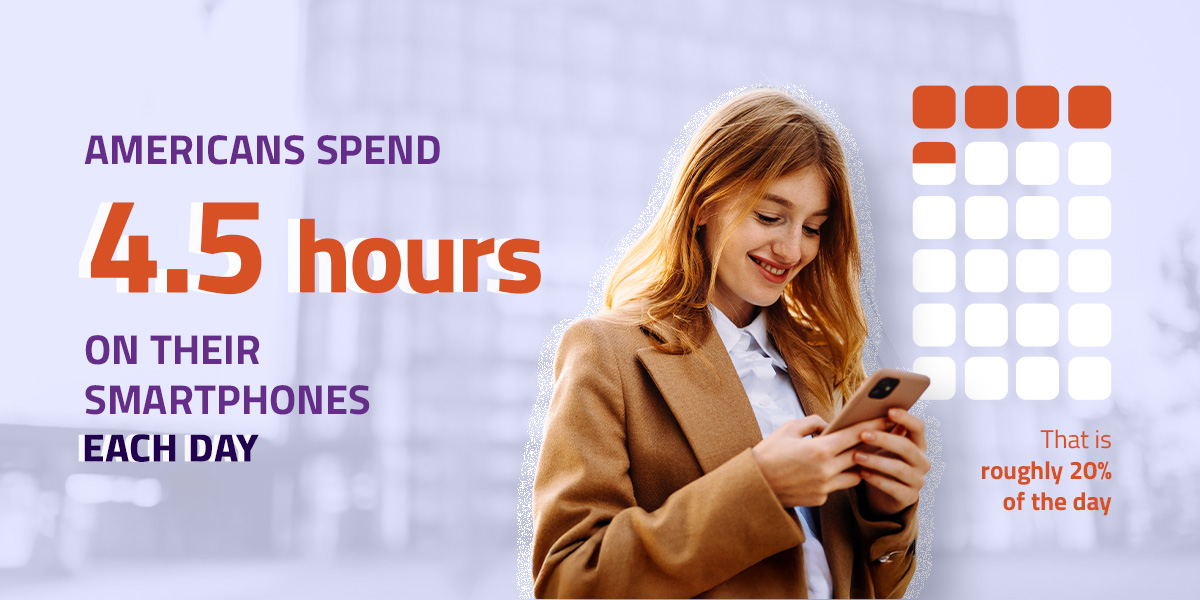
- Integrated apps: On average, Americans spend 4 hours and 30 minutes on their smartphones each day. Offering your employees apps to manage their claims, appointments, and wellness plans makes your benefits more accessible.
- Personalized dashboards: Business leaders and employees alike value hyper-personalization. If you provide employees with customized views of their benefits information, you can boost satisfaction and utilization rates.
- Digital onboarding: Minimize paperwork and streamline enrollment by providing digital forms, instructions, and healthcare processes. By combining clinical-grade care with the convenience of digital access, you can enhance employee experiences and save on HR resources.
Strategy 3: Drive Year-Round Engagement
To drive consistent engagement and maximize utilization rates, employers should provide year-round education and reminders about their healthcare offerings.
- Regular reminders: Employers should periodically communicate specific benefits to their workforce outside of annual enrollment periods across a range of channels, including newsletters, company-wide emails, and one-on-one meetings.
- Sharing success stories: Share anonymous testimonials and positive feedback to enhance utilization.
- Hosting educational sessions: Organize informative events during work hours to improve your employees' understanding of their available benefits.
- Establish feedback loops: Provide channels for employees to offer input and provide feedback on their benefits to increase offering relevance.
- Integrate healthcare benefits: Embed your healthcare benefits in your company's wider culture, for example, by aligning offerings with your core values, demonstrating leadership utilization, and incorporating your company's signature language style in benefits communications.
- Run targeted campaigns: Target specific underused benefits and run campaigns to educate employees and encourage benefit utilization.
Frequently Asked Questions
Employee benefits have an instrumental role in attracting top candidates. These answers to common questions will help you highlight what's important to your clients and their employees:
What Kind of Benefits Do Millennials Want in a Job?
While every employee is different, there are certain things that millennials and Gen Z workers view as essential in the workplace. These include flexible working hours, skill enhancement, and health benefits. By offering a comprehensive health insurance package, your clients can cater to their employees' physical and mental health needs.
What Does Generation Z Want In the Workplace?
Gen Z employees are generally more mindful of mental health. Providing access to counseling and other professional services is a worthwhile benefit. They also care about diversity and inclusion, and whether their company is committed to social and environmental responsibility.
Many Gen Zers are comfortable with remote and hybrid work models. Flexibility is important to them, and they're aware of the power of a work environment that supports their physical and mental health.
Offer Better Employee Benefits With The Difference Card
Millennials and Gen Z make up the majority of the global workforce, making it paramount that businesses provide the benefits they consider attractive. From flexible hours to professional development and inclusive work cultures, employers can do a lot to attract and retain top talent. But perhaps the top benefit for potential employees is health insurance. Enabling staff to get the physical and mental support they need helps them perform at their best in their professional and personal lives.
The Difference Card understands that every organization is unique, and that is why we enable your clients to pick and choose the benefits that matter most. By partnering with us, brokers and producers can offer customized health insurance to organizations, helping to entice new employees. If you're looking to expand your client base, speak to our team about how we enhance employee benefits packages. You can also learn more about our services by visiting our website or reviewing testimonials from producers who partner with us.